
What to Eat on Weight Loss Injections: A Practical GLP-1 Nutrition Guide

Starting a prescription weight-management medication often changes more than appetite. Many people quickly notice that they feel full sooner, can no longer comfortably finish their usual portions, or become more sensitive to rich foods.
That leads to an important question: what should you eat on weight loss injections?
There is no universal list of foods that everyone taking a GLP-1 medication must avoid. Instead, nutrition should focus on eating enough high-quality food in smaller portions, maintaining protein and fluid intake, and adjusting meals if gastrointestinal symptoms develop.
Medications such as semaglutide and tirzepatide can reduce appetite and slow gastric emptying. Nausea, diarrhea, vomiting, constipation, abdominal discomfort and indigestion are among the gastrointestinal side effects reported with these therapies.
The goal, therefore, is not simply to eat as little as possible. It is to lose weight while protecting nutrition, muscle mass and overall health.
Why Eating Habits Often Change on GLP-1 Medications
GLP-1-based medications influence appetite regulation and satiety. Some also slow the rate at which food leaves the stomach.
As a result, a meal that previously felt normal may suddenly feel too large.
You may notice:
earlier fullness
less interest in food
reduced snacking
nausea after large meals
discomfort after rich or fried foods
accidentally skipping meals because you are not hungry
A 2025 multidisciplinary advisory from major nutrition and obesity organizations emphasized that people using GLP-1 therapies should receive support not only for gastrointestinal side effects but also for nutrient adequacy and preservation of muscle and bone health.
What to Eat on Weight Loss Injections
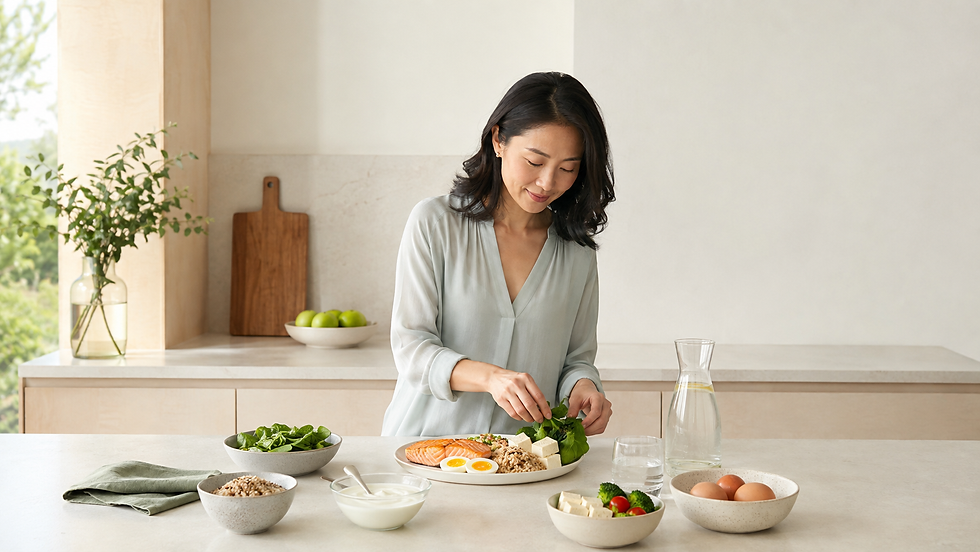
Prioritize Protein
When total food intake falls, every meal becomes more important nutritionally.
Useful protein choices include:
fish
chicken or lean meat
eggs
Greek yogurt
cottage cheese
tofu
tempeh
beans and lentils
dairy or fortified alternatives
Adequate protein is particularly important during weight loss because some lean mass can be lost along with body fat. Nutrition combined with resistance training can help support muscle preservation.
Protein requirements vary according to body size, age, kidney function, activity level and medical history, so there is no single target that fits everyone.
Keep Vegetables and Fruit in the Diet
GLP-1 treatment does not require eliminating fruit or vegetables.
These foods provide fiber, vitamins, minerals and other beneficial nutrients.
Fiber can also support bowel regularity, which is relevant because constipation can occur during treatment.
If your usual diet is low in fiber, however, increase it gradually. A sudden jump in fiber intake can worsen bloating or abdominal discomfort in some people.
Carbohydrates Do Not Need to Disappear
Taking a weight-management medication does not automatically mean following a very-low-carbohydrate or zero-carbohydrate diet.
Carbohydrate foods can remain part of a balanced eating pattern.
Examples include:
rice
oats
potatoes or sweet potatoes
whole grains
beans
fruit
Instead of asking whether carbohydrates are “allowed,” it is often more helpful to look at overall portion size, carbohydrate quality and how the meal is balanced with protein, vegetables and healthy fats.
Include Healthy Fats in Moderate Portions
Foods such as nuts, seeds, avocado, olive oil and oily fish can contribute useful nutrients.
However, very high-fat meals can be difficult to tolerate for some people using GLP-1 medications.
Large portions of fried or rich foods may worsen nausea, fullness or reflux.
Moderate portions are usually easier to tolerate than a large amount of fat in a single meal.
Hydration Matters More Than Many People Realize
Reduced appetite can sometimes lead to reduced fluid intake as well.
Fluid needs become even more important if you experience vomiting, diarrhea or constipation.
Try to drink regularly throughout the day rather than relying entirely on thirst.
Individual fluid needs vary, particularly for people with kidney disease, heart disease or other conditions that may require fluid restriction.
Foods That May Worsen GLP-1 Side Effects
There is no single forbidden-food list, but certain foods are commonly harder to tolerate.
Fried and Very High-Fat Foods
Examples include:
deep-fried foods
high-fat fast food
rich cream-based dishes
very fatty meats
oversized restaurant meals
Because these medications can slow digestion, these foods may intensify nausea, fullness or reflux for some people.
Very Large Meals
Even a nutritious meal can become uncomfortable when the portion is too large.
Try:
serving a smaller portion first
eating slowly
chewing thoroughly
pausing during the meal
stopping when comfortably satisfied
Mayo Clinic guidance recommends smaller meals and slower eating when managing nausea and other gastrointestinal symptoms associated with weight-loss medications.
Sugary Drinks and Low-Nutrient Foods
When appetite is low, using most of your available calories on sweetened beverages, desserts or highly processed foods can leave less room for protein, fiber, vitamins and minerals.
Current nutrition guidance for GLP-1 therapy therefore emphasizes nutrient-dense foods rather than simply minimizing calories.
A Simple Way to Build Meals
Rather than following a rigid meal plan, use a flexible structure.
Start with:
Protein + vegetables or fruit + an appropriate portion of carbohydrate + a moderate amount of healthy fat
For example:
Breakfast
Eggs with fruit and Greek yogurt
or
Oatmeal with yogurt or milk and a small portion of nuts
Lunch
Grilled fish, chicken or tofuwith vegetablesand a modest serving of rice or another whole-food carbohydrate
Snack
Greek yogurt, fruit, an egg or another easy-to-eat protein source
Dinner
Lean proteinwith cooked vegetablesand a small-to-moderate serving of carbohydrate depending on appetite and nutritional needs
The exact portion sizes should be individualized.
What If You Feel Nauseated?
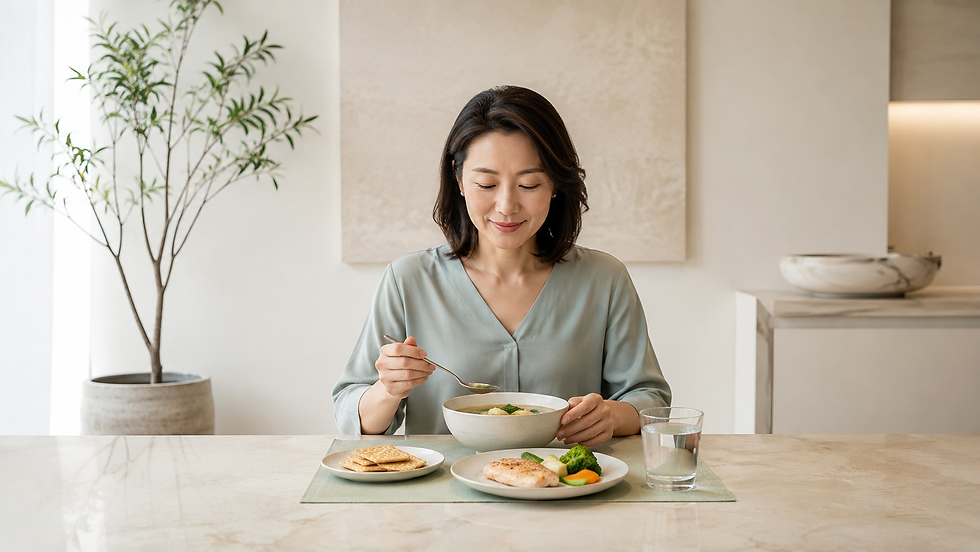
If nausea is mild, temporarily choosing simpler, lower-fat foods may make eating easier.
Options may include:
toast
crackers
soup
yogurt
smoothies
soft foods
smaller portions of protein-rich foods
Eat slowly and avoid lying down immediately after eating.
Rich, fried or strongly scented foods may be more difficult to tolerate during periods of nausea.
Severe or persistent vomiting is different. If you cannot keep fluids down or are unable to eat, contact your healthcare provider.
Do Not Confuse Low Appetite With Low Nutritional Needs
A medication can reduce hunger, but it does not remove your body's requirement for essential nutrients.
Eating too little for too long can make it difficult to obtain adequate:
protein
fiber
vitamins
minerals
fluids
This is one reason nutrition and resistance training have become an increasingly important part of medical weight-management programs.
The goal is not simply a lower number on the scale. Body composition, strength, dietary quality and long-term health also matter.
Do You Need to Count Calories?
Not necessarily.
Calorie tracking can be useful for some people, but it is not required for everyone.
A more practical approach may involve:
responding to fullness
controlling portions
prioritizing nutrient-dense foods
maintaining protein intake
limiting high-calorie drinks and heavily processed foods
If appetite becomes so low that you are consistently struggling to eat, losing weight unusually quickly or feeling weak or dizzy, speak with your healthcare team rather than intentionally restricting further.
When Should You Contact Your Doctor?
Seek medical advice if you experience:
persistent vomiting
inability to keep fluids down
prolonged inability to eat
severe or persistent abdominal pain
significant dizziness or signs of dehydration
severe symptoms after a dose increase
Gastrointestinal effects are among the most common adverse effects of GLP-1-based weight-management medications, while less common but potentially serious complications also require medical evaluation.
Frequently Asked Questions
Can I eat rice while using a weight loss injection?
Generally, yes. There is no universal requirement to eliminate rice. Portion size and the overall composition of the meal matter more than banning one carbohydrate food.
Should I completely avoid sugar?
Not necessarily, but foods and beverages with large amounts of added sugar are usually worth limiting because they provide substantial calories while contributing relatively little protein, fiber or micronutrients.
Can I eat fruit?
Yes. Whole fruit can fit well into a balanced diet and provides fiber, vitamins and minerals.
What if I am never hungry?
Avoid forcing yourself to finish very large meals, but do not ignore nutrition indefinitely. Smaller nutrient-dense meals or snacks may be easier to tolerate.
Do I need to wait after the injection before eating?
Injectable semaglutide and tirzepatide generally do not require a universal fasting period after each injection. Follow the instructions for the specific medication you have been prescribed and your clinician's advice.
The Bottom Line
If you are wondering what to eat on weight loss injections, think less about strict forbidden-food rules and more about nutritional priorities.
Aim to:
get enough protein
include vegetables and fruit
use reasonable carbohydrate portions
stay hydrated
eat smaller meals when needed
eat slowly and stop when comfortably full
reduce fried or very rich foods if they worsen symptoms
avoid letting appetite suppression turn into chronic under-eating
Medical weight management works best when medication is combined with nutrition, physical activity and ongoing clinical monitoring.
Your ideal eating plan depends on the medication, dose, symptoms, medical history, activity level and individual nutritional needs. Avelyst - Weight & Metabolic
Vibhavadi Rangsit 32
0843569084
Line OA : @avelyst (มี@) หรือ https://lin.ee/ZhZpKEh


Comments